Mark, Cut, and Identify Parts in One Operation
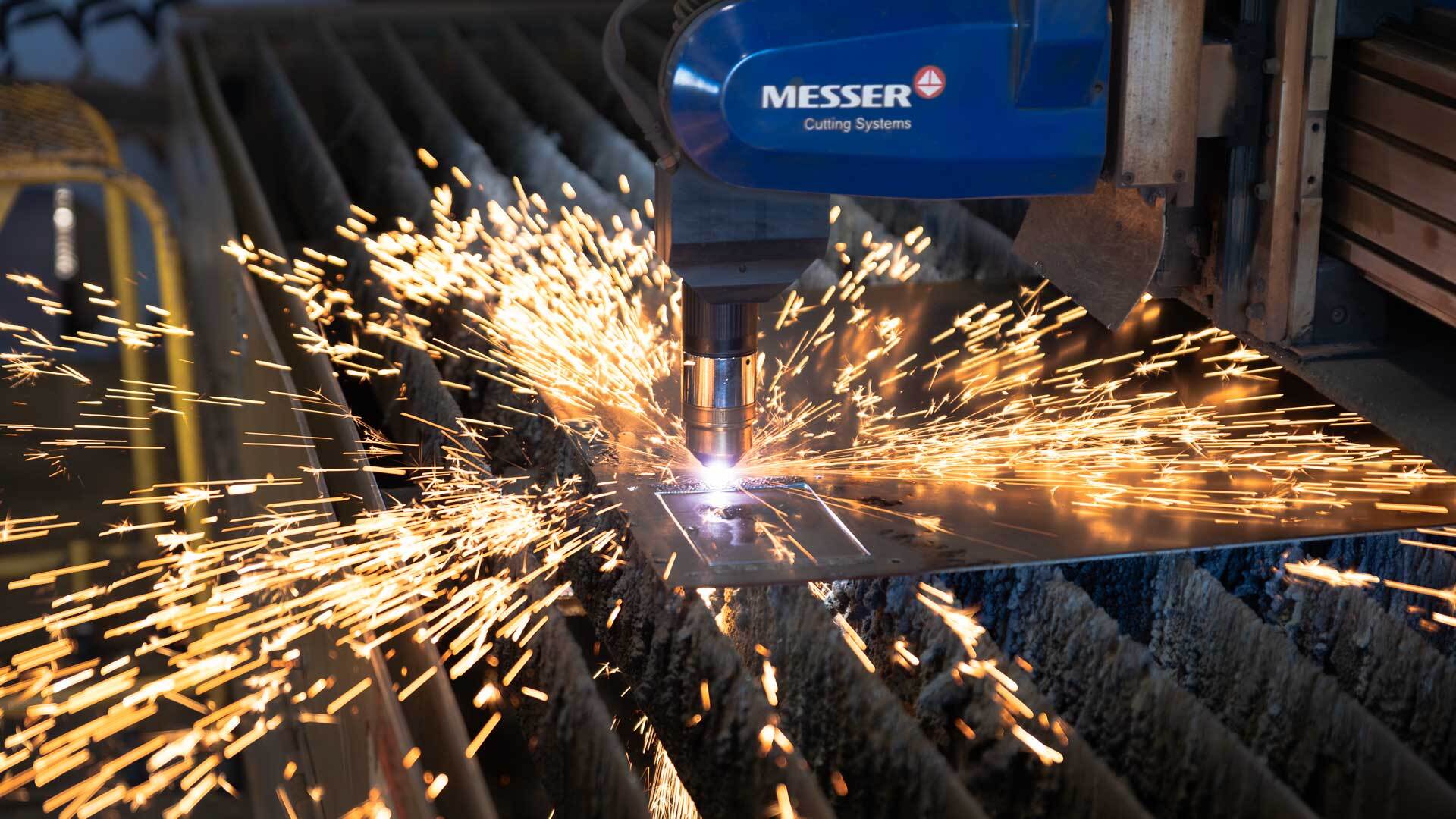
More Than Just Cutting Steel
When steel parts need to be identified, many fabricators turn to stamping, engraving, labels, or paint markers after the cutting process is complete.
With CNC plasma etching, those markings can be added while the part is being cut, eliminating an extra step and helping keep parts organized throughout fabrication.
What Is Plasma Etching?
Plasma etching uses the same CNC plasma machine that cuts the part, but at a much lower power setting. Instead of cutting through the steel, the plasma torch lightly marks the surface with permanent, easy-to-read lines or text.
What Can Be Etched?
Plasma etching can be used to add a variety of information to your parts, including:
- Heat numbers for material traceability
- Part numbers
- Assembly or identification labels
- Layout lines
- Bend lines
- Weld locations
- Center marks or drill locations
The markings stay with the part throughout fabrication, making it easier to identify later.
Material Traceability
Many industries require that finished parts be traceable to the original material from which they were made.With plasma etching, the material's heat number can be permanently marked directly onto each part during the cutting process, eliminating the need to add it afterward.This is commonly required in industries such as:
- Oil and gas
- Pressure vessel manufacturing
- Power generation
- Structural fabrication
- Industrial equipment manufacturing
Layout Lines and Drill Marks
Plasma etching isn't limited to text.
The machine can also etch layout lines that show where components should be positioned during assembly. It can even create small center marks that act as reference points for drilling operations.
Etching and Cutting in One Operation
One of the biggest advantages of plasma etching is that it happens during the CNC cutting process.
The machine first etches the required markings and then cuts the finished part, thereby reducing the need for additional handling and secondary marking operations. The result is a finished part that arrives cut, identified, and ready for the next stage of manufacturing.
Helpful Links
Categories: Services