Why Galvanized Steel Is Built to Last
How Galvanized Steel Works
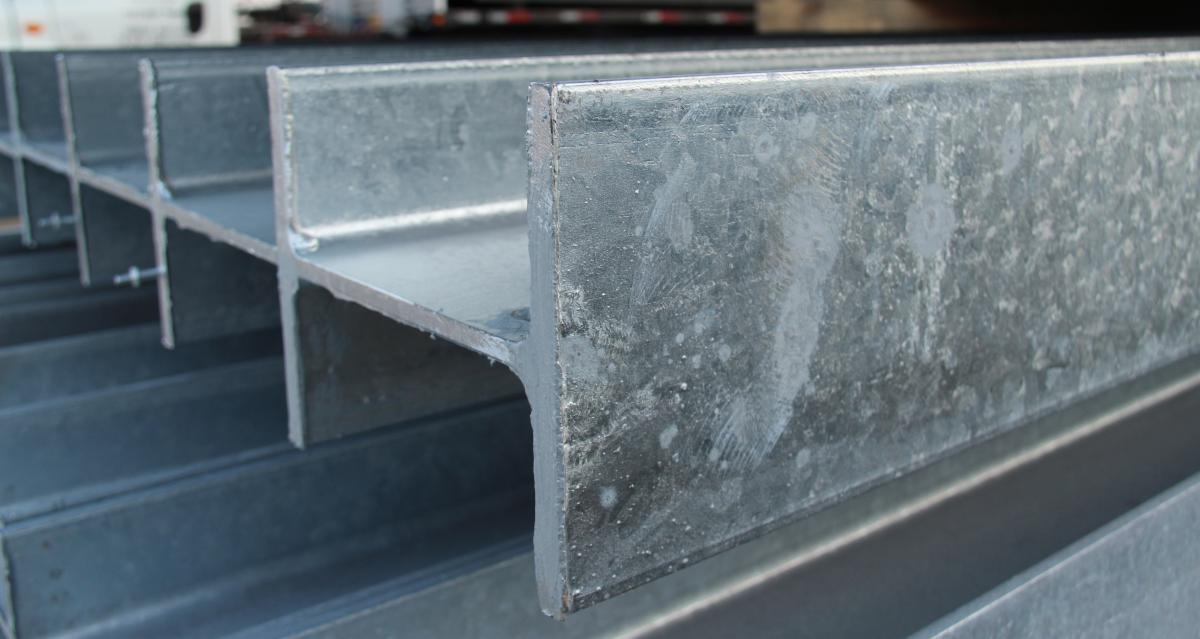
Galvanized steel is carbon steel coated with a layer of zinc that helps protect it from corrosion in demanding environments. The most common method, hot-dip galvanizing, involves immersing cleaned steel into a bath of molten zinc, creating a durable protective coating.
How the Zinc Coating Protects Steel
Barrier Protection
The zinc coating creates a physical barrier between the steel and the surrounding environment. This helps prevent moisture and oxygen from reaching the steel surface, thereby preventing corrosion.
Sacrificial Protection
Zinc also provides sacrificial protection. Because zinc is more chemically active than steel, it will corrode first if the coating becomes scratched or damaged. This helps protect exposed areas and slows the spread of corrosion.
The Hot-Dip Galvanizing Process
During hot-dip galvanizing, the zinc coating becomes metallurgically bonded to the steel surface. This creates multiple zinc-iron alloy layers beneath the outer zinc coating, resulting in a finish that is highly resistant to abrasion, impact, and weather exposure.
Coating thickness can vary depending on the steel, processing conditions, and applicable specifications such as ASTM A123 and ASTM A653.
Common Applications for Galvanized Steel
Galvanized steel is widely used in applications where long-term corrosion resistance is important, including:
- Structural steel
- Roofing panels
- Fencing
- Guardrails
- Utility poles
- HVAC ductwork
- Agricultural equipment
- Steel tubing
Its durability makes it a popular choice for both indoor and outdoor environments.
Helpful Links
Categories: Steel Products