How Seamless Pipe Is Made and Why It Matters
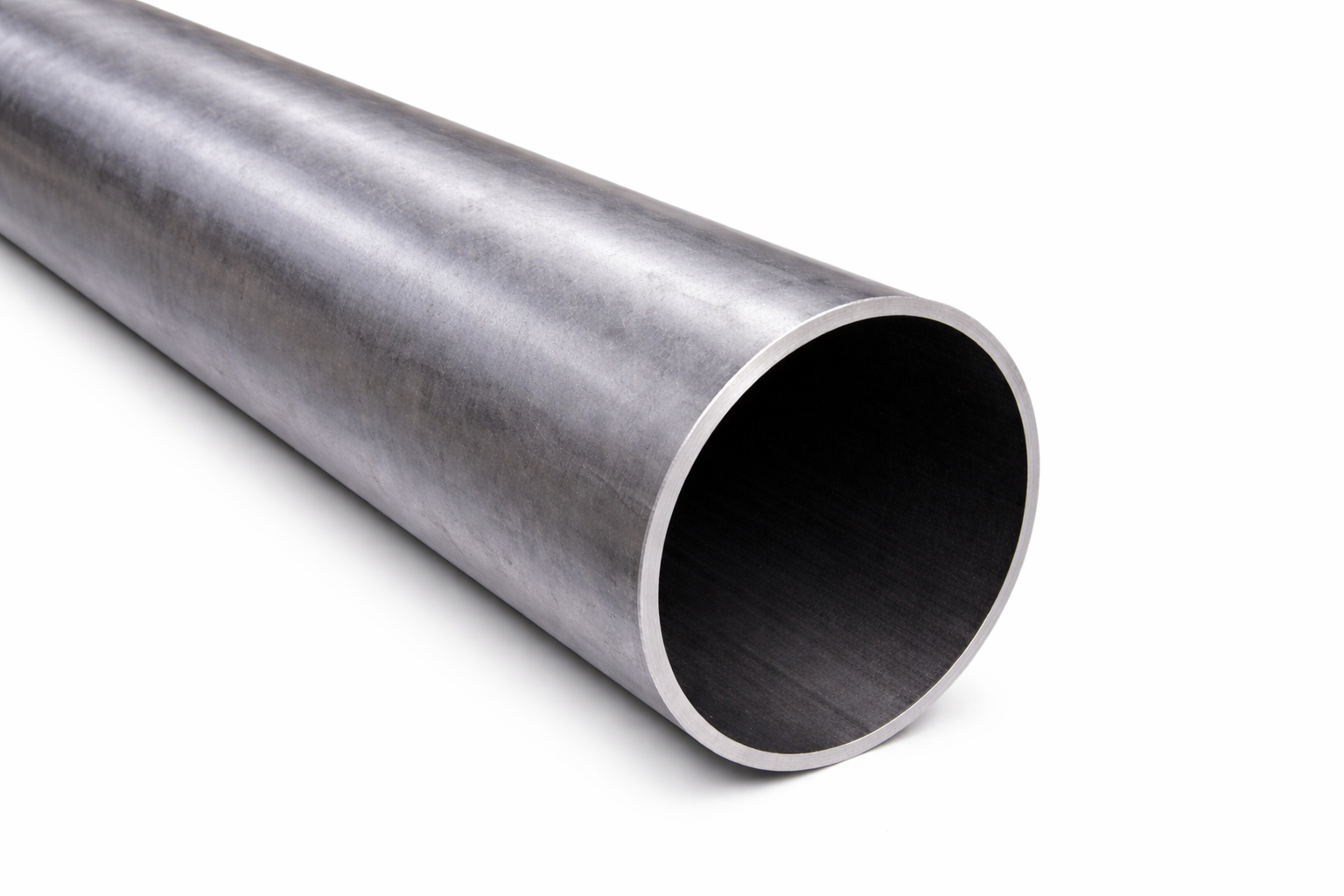
It all starts with how the pipe is made.
Seamless steel pipe is a critical material used across industries where strength, pressure resistance, and reliability are essential. Unlike welded pipe, seamless pipe is manufactured without a seam or joint, resulting in a uniform structure that performs exceptionally well in demanding applications.
What Is Seamless Steel Pipe?
Seamless steel pipe is produced from a solid billet of steel that is heated and then pierced to create a hollow tube. The pipe is then rolled and stretched to achieve the desired diameter and wall thickness.
Because there is no welded seam, the pipe maintains consistent strength throughout its entire circumference. This makes it especially suitable for applications involving high pressure, high temperature, or critical performance requirements.
Key Advantages
Seamless steel pipe offers several important benefits:
- Superior Strength – No seam means no weak point, allowing for higher pressure ratings
- Uniform Structure – Consistent wall thickness and mechanical properties
- Better Performance Under Stress – Ideal for high-pressure and high-temperature environments
- Improved Corrosion Resistance – Fewer imperfections where corrosion can begin
- Reliability Preferred for critical applications where failure is not an option
Common Applications
Seamless pipe is used in a wide range of industries, including:
- Oil and Gas – drilling, production, and transportation of fluids
- Power Generation – boilers, heat exchangers, and high-pressure piping
- Industrial Manufacturing – hydraulic systems and machinery
- Construction – structural and load-bearing applications
- Automotive and Mechanical – tubing for precision components
Its ability to handle extreme conditions makes it a go-to material for critical infrastructure and industrial systems.
Sizes, Schedules, and Grades
Seamless pipe is available in a variety of diameters, wall thicknesses (schedules), and steel grades to meet different performance requirements.
Common Grades Include:
- A106 – Standard for high-temperature service
- A53 – General-purpose pipe for structural and pressure applications
- API 5L – Used in oil and gas transmission
Common Schedules:
- Schedule 40
- Schedule 80
- Schedule 160 and beyond for higher pressure applications
The right combination of size, schedule, and grade ensures the pipe can safely handle the intended load and environment.
Seamless vs. Welded Pipe
While both seamless and welded pipe have their place, seamless pipe is often chosen when:
- Higher pressure ratings are required
- The application involves critical safety concerns
- Uniform strength is necessary
- The environment is extreme (temperature, pressure, or corrosion)
Welded pipe, on the other hand, can be more cost-effective for less demanding applications.
Why It Matters
In many industries, the performance of piping systems directly impacts safety, efficiency, and long-term reliability. Seamless steel pipe provides peace of mind by offering a stronger, more consistent product that can withstand challenging conditions.
Conclusion
Seamless steel pipe is an essential material for applications where strength, durability, and performance cannot be compromised. Its seamless construction provides a reliable solution for everything from high-pressure industrial systems to critical infrastructure projects.
At Steel Supply, we stock a variety of seamless steel pipe sizes and grades, including Schedule 120 and Schedule 160 to meet your project needs - whether you require a single length or large quantities ready for delivery.
Helpful Links
Categories: Steel Products