What happened to the stainless steel grades between 305 and 315?
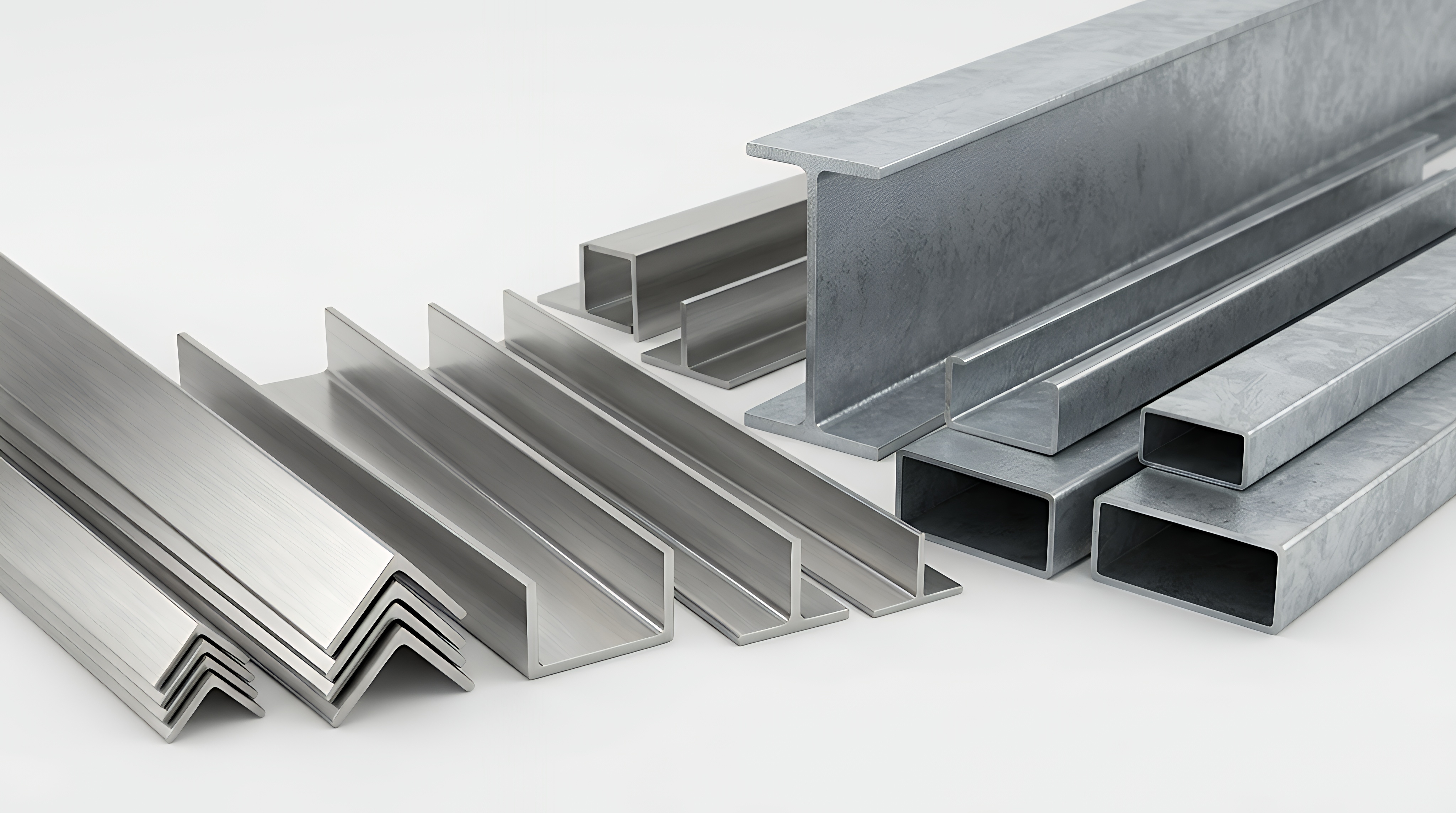
The stainless steel grades between 305 and 315 haven't disappeared. In fact, several of them are still recognized stainless steel grades, although most are far less common than 304 and 316.
The reason you rarely hear about them is that stainless steel grade numbers were never intended to be a continuous sequence. Each number identifies a particular alloy composition, and not every number was assigned.
The 300 series consists primarily of austenitic stainless steels, which contain chromium and nickel and are generally nonmagnetic in their annealed condition.
What happened to the grades between 305 and 316?
Grade | Status | Primary application |
|---|---|---|
305 | Established, less common | Deep drawing and cold forming |
306–307 | Not commonly recognized AISI grades | No standard general-purpose designation |
308 | Established | Primarily welding filler metals |
309 | Established | High-temperature applications |
310 | Established | Furnaces and extreme heat |
311–313 | Not commonly recognized AISI grades | No standard general-purpose designation |
314 | Established, uncommon | High-temperature oxidation resistance |
315 | Not a commonly recognized AISI grade | No standard general-purpose designation |
Sources: Stainless Steel Industry of North America and British Stainless Steel Association. SSINA+2
Why are 304 and 316 so dominant?
For steel distributors like Steel Supply, the answer comes down to versatility and demand.
304 stainless steel provides excellent corrosion resistance for most general applications at a relatively economical price.
316 stainless steel adds molybdenum, providing improved resistance to chloride-related corrosion, making it popular in marine, chemical processing, and industrial applications.
Other grades, such as 309 and 310, serve more specialized markets where heat resistance is particularly important.
The interesting part: The missing numbers aren't evidence that stainless grades were discontinued. The original AISI numbering system simply assigned numbers to particular alloy compositions without filling every numerical gap.