Why Structural Aluminum comes in 25' lengths
It mainly comes down to how the two metals are manufactured, handled, and standardized by the industries that produce them.
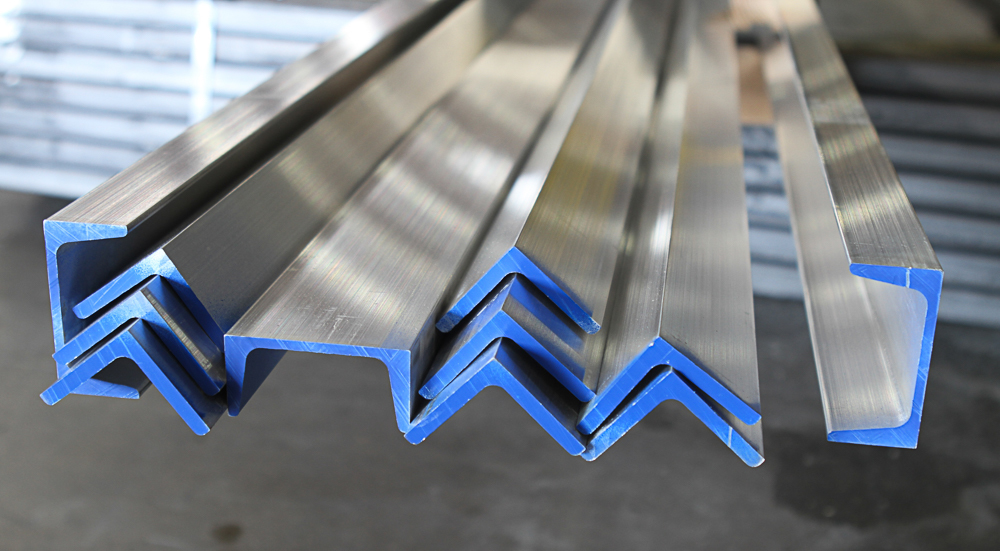
Aluminum structural shapes—angles, channels, I-beams, tees, and similar products—are generally produced by extrusion. A heated aluminum billet is pushed through a die to create the shape, and the continuous extrusion is then stretched, straightened, heat-treated as necessary, and cut to standard mill lengths. 25 feet became a common commercial stock length for many structural aluminum extrusions because it works efficiently with extrusion equipment, handling, transportation, and downstream fabrication.
Steel structural shapes, on the other hand, are generally hot rolled rather than extruded. Steel mills roll heated billets or blooms through a series of rolls to produce beams, channels, angles, and other shapes. The economics and equipment are different, and mills commonly produce structural steel in lengths such as 20', 24', 30', 40', 50', and 60', depending on the product and supplier.
Transportation and handling also play a role. Aluminum is much lighter, so a 25' piece remains relatively easy to bundle and handle. With steel, weight becomes a bigger consideration, and different products developed different standard stocking lengths based on mill production, truck transportation, warehouse handling, and what fabricators traditionally use.
So there isn't a metallurgical reason that aluminum has to be 25' while steel has to be 24' or 30'. They're primarily industry-standard mill and stocking lengths that evolved from different manufacturing processes and supply chains.
For Steel Supply, this could actually make a good short educational post: “Why Does Aluminum Come in 25-Foot Lengths?” It's one of those everyday steel-counter questions that has an interesting answer.